
Before You Downsize Your Toronto Home: 5 Steps to Get Ready
Before You Downsize Your Toronto Home: 5 Steps to Get Ready
By Jacquie Othen, SRES | August 2026 | 8 min read
Before a senior's Toronto home goes to market, five steps must be completed in order. You'll need a professional property evaluation to understand what you're holding, a decision about where you're going next, a realistic timeline built around the type of property you're targeting, a plan for your belongings, and a clear-eyed look at which home repairs are worth doing. Working through these five steps with the right support beside you is how a move out of a decades-long home stays organized and manageable rather than overwhelming. This guide covers each step in plain language so you know exactly where to start.
Jacquie Othen, SRES, covers the five steps every Toronto senior needs to work through before their home goes to market, from the initial property evaluation to the decluttering and repair decisions that set the sale up for success.
You've Made the Decision. Here's Where to Actually Begin.
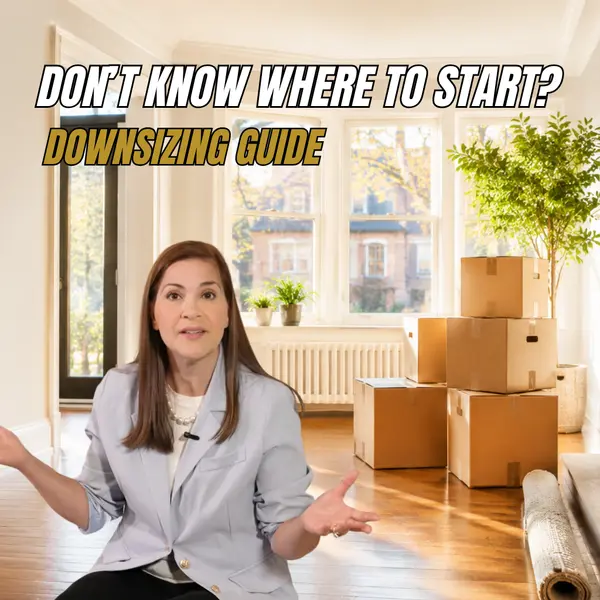
You've decided you're ready. Maybe it's been a thought for a while, maybe it came on quickly, but you're at the point where downsizing has become a real plan. And now you're sitting there wondering where on earth to start.
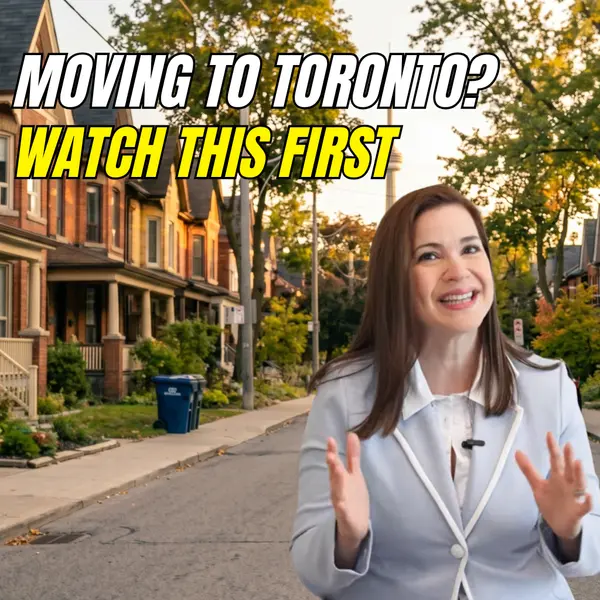
That's exactly why I made this video and why I put this guide together. I'm Jacquie Othen, a Senior Real Estate Specialist and downsizing expert with the Othen Group. I work with seniors across Toronto and the GTA, and the most common thing I hear when people first call me is: "I know I need to do this, but I don't know how." That's not a problem. That's a starting point. And here are the five next steps when you're beginning your Toronto downsizing journey.
Step 1: Get a Professional Property Evaluation
The first step, before anything else, is understanding what your property is worth. It doesn't matter whether it's a condo, a detached home, an estate property, or a farmhouse on the edge of the city. Without knowing what you're holding, it's nearly impossible to figure out where you can go.
A good evaluation is a conversation. Not a document signing. Not a listing. Not a push to get you on the market next week. A professional home valuation should feel like a comfortable, no-obligation chat where someone sits with you, walks through your home, looks at comparable sales in your area, and gives you a clear, honest picture of what your property is worth today.
If anyone has ever rushed you past this step and straight to paperwork, that's a sign to slow down. You are in control of this process. It's your home, your future, and your timeline. A good realtor will respect that.
When you're thinking about who to have in for this evaluation, experience matters. You want someone who knows your neighbourhood, understands the type of home you have, and has real experience working with downsizing seniors. A realtor who sells downtown condos all day may not be the right fit if you're sitting on a large property in Aurora or a mature bungalow in Don Mills. Specialist knowledge of your area and your buyer demographic is part of what makes the valuation useful. You can learn more about how we approach this on our seniors real estate services page.
Step 2: Identify Where You're Going Next
Step two is figuring out where your heart is actually pointed. Are you moving from the west end of the city to the east end to be closer to your children? Are you thinking about a seniors building in Leaside or Lawrence Park? Are you considering leaving Toronto entirely and relocating to be near family in another city?
You may not have the answer yet, and that's okay. Some people come to us with a clear picture of where they want to be. Others need a few conversations to get there. What matters is that we start thinking about this early, because where you're going directly impacts Step 3.
This is also a great step to involve people you trust. Your children, your closest friend, your family. Not because they should be making the decision for you, but because having the right people in the room during that conversation can help you get clearer on what you actually want. Our team is very comfortable being part of those conversations.
Step 3: Build a Realistic Timeline
The timeline is where most downsizing plans either hold together or fall apart. It's the step our team spends the most time on, and for good reason. A clear timeline is a roadmap. Without it, you're making it up as you go.
Where you're going has everything to do with when you should sell. Think about the type of property you're targeting. If you're looking at a seniors building or a mature condo community where many of your potential neighbors are also downsizers, those units tend to come to market in clusters. Most seniors in Toronto don't want to move in winter, and honestly, who can blame them? The risks of a winter move, the cold, the ice, the open doors, and the stress on the body are real. The sweet spot for downsizing seniors in Toronto runs from spring through to late fall, roughly April to October.
If the product you're looking to buy comes to market in the same window, that will shape when you need to have your home ready to list. Pull out the calendar and work backward. Think about how long Step 4 will take (it always takes longer than people expect). Think about what repairs or staging might be needed. Build in some cushion. A good realtor won't let you rush into a timeline that doesn't serve you, and they won't let you drag your feet past the window that works best for your situation either.
Step 4: Make a Plan for Your Belongings
This is the step that slows most people down. You've been in your home for 20, 30, sometimes 50 years. You have furniture, artwork, china, tools, clothing, books, and a thousand things you haven't thought about in a decade. And somewhere in the back of your mind is the thought: "I don't know what to do with all of it."
That's exactly where our team steps in. We work through homes room by room with our clients, helping them decide what comes with them to the new place, what goes to family, what goes to charity, and what goes to the dump. There are more options than most people realize. Certain charities in Toronto will accept furniture donations and provide a tax receipt, which is a meaningful financial benefit at the end of the year. Auction and consignment are options for pieces with real value. And for everything else, we know who to call.
For situations with a large volume of belongings or when an estate is involved, our estate sales services can handle much of the heavy lifting. The goal is to make sure you're not drowning in decisions or doing it alone. We do this regularly, and we do it well.
Please don't let Step 4 become the reason you stall. It feels like the most overwhelming part from the outside. Once you're in it with the right support, it's much more manageable than you think. And rightsizing your home becomes a lot easier once you can see what you're actually working with.
Step 5: Decide Which Home Repairs Are Actually Worth Doing
Once the decluttering is done and the home is cleared out, you'll have a much better sense of what the property actually looks like. That's when we sit down and have an honest conversation about repairs.
Some seniors sell as-is. That's a completely legitimate choice, and there's no judgment in it. If you're not well enough to have tradespeople in the house, if you don't have the energy for it, if the thought of coordinating a renovation on top of everything else is just too much, selling as-is is an option. It comes back to your valuation. What's the home worth as-is? What would it be worth with specific improvements? That math tells you whether a repair makes sense.
When repairs are worth doing, you want to focus only on the ones with a real return. New countertops over 40-year-old cabinets? That rarely makes sense. A fresh coat of paint? Usually worth it. A plumbing issue that would show up on a buyer's inspection? Fix it. The right realtor will tell you the truth about which repairs move the needle and which ones are just money going out the door with no return.
Our team has a trusted network of bonded, insured tradespeople: plumbers, electricians, handymen, painters. You don't need to go searching the internet and sorting through reviews. We'll connect you with the people we've worked with and trust, and we'll only recommend the work that genuinely helps your sale. Once the repairs are done and the home is staged, it's ready for market. That's when the listing process begins, which we cover in full in Part 2 of this series.
Frequently Asked Questions
How long does the downsizing process actually take?
The honest answer is that it varies significantly, and almost everyone underestimates how long it takes. A senior in good health with a smaller home and limited belongings can move from decision to closing in three to four months. A larger estate property with decades of accumulated belongings, extensive repairs needed, and a more complex destination search can take six to twelve months or more. The single biggest factor is how quickly Step 4, sorting and clearing the belongings, gets done. Build more time into your timeline than you think you need. The process is almost always worth doing properly rather than quickly.
How do I get a proper home valuation before I decide to sell?
A proper home valuation starts with a free, no-obligation visit from a real estate professional who is experienced in your area and with the type of property you own. They'll walk through your home, review comparable sales in your neighbourhood, and give you a realistic sense of what your home is worth in the current market. This is not a listing appointment. There's no pressure to sign anything. The goal is simply to give you the information you need to make a good decision. You can book a free valuation with the Othen Group at othengroup.com/home-valuation.
When is the best time of year to sell a Toronto home when downsizing?
For most seniors downsizing in Toronto, the sweet spot runs from April through to October. Spring and early fall tend to produce the most active buyer pools, and the weather makes the logistics of showing a home and moving much more manageable. Winter moves carry real risks for seniors, from icy driveways to the physical toll of cold weather, and many seniors choose to avoid them entirely. If the type of property you're targeting also sells mostly in the spring and fall, which is common in mature senior-friendly buildings and communities, that timing alignment makes even more sense.
What do I do with a lifetime of belongings before I list my home?
The options are more plentiful than most people realize. Things you're taking to your new place get packed and stored. Furniture, artwork, and valuables can go to family, to auction, or to consignment if they have real worth. Many Toronto charities will take furniture and household items and provide a tax receipt in return, which is genuinely useful come tax time. What nobody wants goes to the dump, and there are services that handle exactly this kind of removal. Our team works through homes room by room with clients, so you're making decisions with a professional beside you rather than staring at a room full of things on your own. The process takes longer than people expect, but it's manageable with the right support.
Do I need to renovate before selling my Toronto home?
Not necessarily. Selling a home as-is is a completely valid option, particularly for seniors who can't or don't want to manage tradespeople in the house. The decision comes down to the numbers: what does the home appraise for as-is, and what would specific improvements realistically add to the sale price? Only improvements with a clear return are worth doing. Fresh paint, minor repairs, and professional staging almost always pay off. Major renovations like new countertops over dated cabinetry rarely recoup their cost. A good realtor will give you an honest breakdown of which repairs move the needle and which ones don't.
How do I find a realtor who specializes in senior downsizing in Toronto?
Look for a realtor with the SRES designation, which stands for Senior Real Estate Specialist. It means they've completed training specifically focused on the needs of senior clients. Beyond the designation, you want someone who knows your neighbourhood well, has experience with the type of property you own, and takes time to understand your timeline rather than rushing you into a listing. Ask how many senior downsizing clients they've worked with in the past year, whether they have a network of support professionals for the decluttering and repair stages, and whether they're comfortable involving your family in the process. You can learn more about our team and approach at othengroup.com/our-team.
Should I sell my home before finding my next place to live?
For most seniors downsizing in Toronto, selling first is the more practical path. It gives you a clear picture of exactly how much you have to work with when you're shopping for your next home, which makes that search much more focused. It also eliminates the financial pressure of carrying two properties at once. The trade-off is a potential gap between closing on your sale and taking possession of your new place, which can be managed with a bridge period, a short-term rental, or a flexible closing date negotiated into your sale. Your realtor can help you structure the sale to minimize that gap based on your specific situation. Our buyer services team works alongside the listing side to keep both transactions coordinated.
Not Sure Where to Start? Let's Talk.
A free, no-pressure conversation with Jacquie is Step 1. We'll go through your home, talk about where you want to go, and help you build a plan that actually works for your life.
Talk to Jacquie
Categories
Recent Posts




GET MORE INFORMATION
