
Is Toronto Worth It? The Honest Pros and Cons of Living Here
Is Toronto Worth It? The Honest Pros and Cons of Living Here
By Jacquie Othen, SRES | June 2026 | 8 min read
Toronto is one of the most livable cities in North America, but it comes with real trade-offs that anyone relocating here should understand before they arrive. The pros are genuine: a diverse and walkable neighbourhood landscape, an exceptional food scene, friendly people, good schools across the city, and a waterfront that surprises most newcomers. The cons are also genuine: traffic that rivals New York, a transit system that has not kept pace with the city's growth, a cost of living that has climbed sharply in the last decade, and pockets of the city where visible urban challenges require honest acknowledgement. Whether Toronto is worth it depends almost entirely on which neighbourhood you land in, what your commute looks like, and whether your lifestyle priorities match what this city actually delivers.
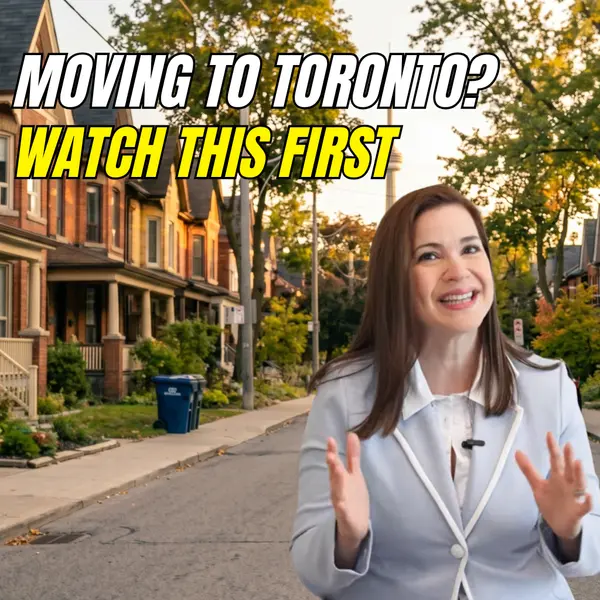
Jacquie Othen covers what Toronto is really like for people thinking about relocating here, from traffic and transit to neighbourhoods, food, and real estate price points.
Let's start with the part nobody wants to talk about
Traffic in Toronto is not a minor inconvenience. It's a structural feature of daily life here, and if you're moving from somewhere with manageable commutes, you need to know that going in. A drive that would take 15 minutes at 10 am can take 45 minutes at 8 am. The 401, the 404, the Gardiner Expressway, and the Don Valley Parkway are all genuinely difficult during peak hours. Construction compounds it year-round: summer in Toronto is construction season, and it often feels like construction is everywhere.
Transit is the other honest conversation. The subway system is limited in coverage, and the Eglinton Crosstown LRT, which took over a decade to build, became a punchline before it even opened. If you're arriving from a city with strong public transit, lower your expectations. Many people in Toronto drive everywhere or rely heavily on rideshares because transit simply doesn't reach where they need to go.
These aren't reasons not to move here. They're things you budget for, both in time and in terms of where you choose to live. The neighbourhood you pick has an enormous effect on how much the traffic problem affects your daily life. Someone living near a subway line in Yonge and Eglinton lives a very different commute reality than someone driving in from the suburbs every morning.
The city has changed, but not in the way people say
There's a conversation that keeps coming up in Toronto right now: the city isn't what it used to be. Some of that is true. The city is less clean than it was 20 years ago. Social services have not kept up with the visible challenges on some streets. These are real and fair criticisms, and the city needs to do better.
What I push back on is the idea that Toronto has fundamentally lost what made it great. That's not what I see. The fabric of the city, the neighbourhoods, the food, the people, the cultural energy, is very much intact. The challenges that exist today are mostly old problems that were ignored for too long, not new ones that appeared overnight. Every major city carries some version of this tension, and Toronto is working through its own.
If you're relocating to Toronto and you want to understand what life here actually looks like day to day, the honest answer is that it depends enormously on which part of the city you're in. The city is not one experience. It's dozens.
What Toronto genuinely does well
People are the first thing most newcomers mention. Torontonians are genuinely friendly. Doors get held. People say thank you and mean it. There's a civic politeness here that isn't performative; it's just how people are, and it's one of the better features of living in a Canadian city generally. If you're arriving from a larger American city where that kind of casual warmth is less common, it tends to be one of the first things people notice and appreciate.
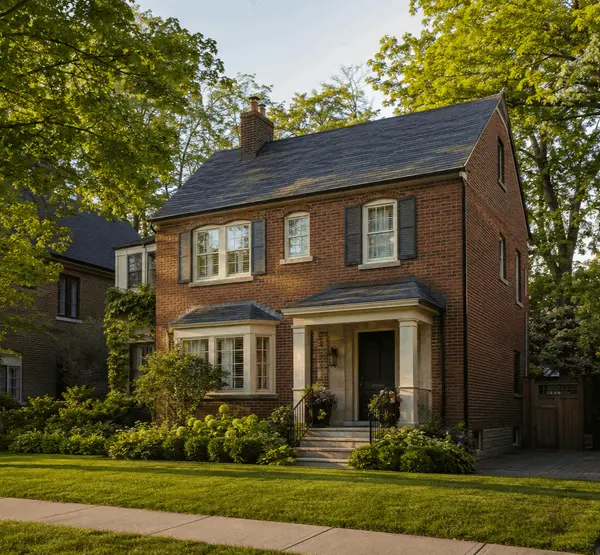
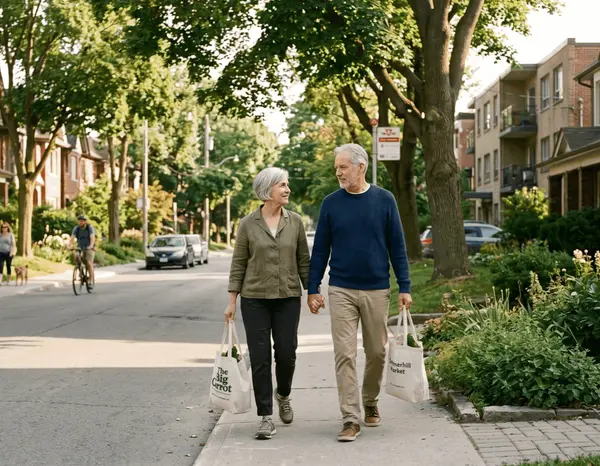
The neighbourhood diversity is something that maps can't fully convey. Toronto has communities for almost every lifestyle preference. If you want walkable and pedestrian-friendly, it exists here. If you want tree-lined streets and century homes, Leaside, Riverdale, and Leslieville all deliver that. If you want proximity to parks and green space, High Park, The Beaches, and Don Mills each offer something different. If you want a vibrant urban neighbourhood where you can walk to restaurants and coffee shops, King West and Liberty Village are there. The pocket-within-a-pocket nature of this city means you can often change the entire character of your environment by crossing a single street.
The food scene is legitimately world-class. Jacquie's sister was in Sicily recently and said Toronto rivals it for food. That's not an exaggeration. The cultural diversity of this city means access to cuisine from almost every part of the world, and it's not tourist-grade versions of those dishes. You can find exceptional pho, sushi, Greek, Bengali, Armenian, Turkish, Italian, and dozens of other cuisines within minutes of almost any neighbourhood. The food is less salty than in American cities and less greasy than you might expect. People come here and are genuinely surprised by how good it is.
Schools are strong across the city and are not concentrated in one area. A little research through the TDSB or TCDSB will show you solid options in virtually every family-oriented neighbourhood. Rec centres, hockey arenas, soccer pitches, and parks are distributed well. If you have active children, you'll find what you need regardless of which community you settle in.
The waterfront deserves more credit than it gets. Lake Ontario is a real body of water, and the further east you go, the greener and cleaner it gets. Condo units with direct water views exist, and the people who have them tend to stay in them for a long time. If access to water is a priority for you, it's available here, and it's genuinely beautiful in a way that surprises people who picture the Great Lakes as something industrial.
The 416 versus the 905: knowing which one fits you
The city of Toronto proper uses the 416 area code. Everything north of Steeles Avenue falls into what has historically been called the 905: Markham, Richmond Hill, Thornhill, Vaughan, Pickering, and surrounding communities. These are very different ways to live, and confusing them is one of the more common mistakes people make when planning a relocation.
The 905 gives you more space. A double-car garage, a larger backyard, newer construction, and generally more square footage for your dollar. The trade-off is that almost everything requires a car, and if you work downtown, you're looking at a serious commute. Many people who prioritize commute length settle in Midtown Toronto specifically because the subway line gives them a direct shot south to the financial district without having to get on a highway.
Within the 416 itself, price points shift significantly by location. The east end has traditionally been the more accessible entry point. As you move west toward Yonge Street and beyond, prices climb. Lawrence Park, Chaplin Estates, Leaside, and Yonge and Eglinton command premiums that reflect both their location and the demand from people seeking that specific combination of walkability, school access, and neighbourhood character. High Park commands premium pricing because of the park itself. The closer you get to it, the more you pay for the proximity.
Street-level variance is real, too. Within any given neighbourhood, there are streets that carry a premium and streets that don't. A knowledgeable Toronto relocation specialist can tell you the difference before you fall in love with a house on the wrong block. That kind of local knowledge matters more in Toronto than in cities with more uniform neighbourhoods.
If you're flying in to look at real estate, give yourself time
Five days is the minimum if you're serious. Toronto rewards exploration. The best way to understand whether a neighbourhood fits you is to spend time in it: eat there, walk around in the morning, sit in a coffee shop, and observe the traffic at 8 am. No amount of online research replicates that experience.
Beyond house hunting, give yourself time to absorb what the city is actually like. Catch a Blue Jays game at the Rogers Centre. Find live music downtown or on the beach. Check out what's happening on a Tuesday night in Kensington Market or on a Sunday morning in The Beaches. Toronto is always active, and experiencing some of that energy before you commit to a neighbourhood will tell you more than any list of pros and cons.
The city is also an excellent base for exploring further. Niagara Falls is under two hours. Montreal and Quebec City are a weekend trip by car or train. Muskoka cottage country is reachable in under three hours. Port Hope, Cobourg, and the Lake Ontario waterfront east of the city are worth a day trip. Part of what makes relocating to Toronto a strong lifestyle decision is not just the city itself, but how much becomes accessible from it.
If you're seriously considering moving to Toronto and want honest advice on which community best fits what you're looking for, that's exactly the conversation our team is built for. We've helped families relocate here from across Canada and the US, and we know this city street by street. Take a look at our team page or reach out directly.
Frequently Asked Questions
Is Toronto a good city to move to in 2026?
Toronto remains one of the most livable cities in North America despite its well-documented challenges with traffic, transit, and cost of living. The city's diversity, food scene, neighbourhood variety, and strong schools make it genuinely attractive for families and professionals relocating from elsewhere. The key variable is neighbourhood selection: where you land in Toronto determines how much the city's drawbacks affect your day-to-day life. Someone well-located near transit with a short commute experiences a very different city than someone driving in from the suburbs. With careful planning and local knowledge guiding your community selection, Toronto is absolutely worth it for the right person.
What are the biggest downsides of living in Toronto?
Traffic is the most consistently cited challenge, and it's a real one. Commute times during peak hours can be two to three times longer than during off-peak hours, and construction compounds the problem seasonally. Transit coverage is limited compared to cities like London or New York, meaning car dependency is high outside of a few well-served corridors. The cost of real estate and the general cost of living have risen sharply over the last decade, making Toronto an expensive city by most Canadian and North American comparisons. Some pockets of the city also have visible urban challenges around cleanliness and social services that the city is still working to address.
Which Toronto neighbourhood is best for someone relocating from the US?
There is no single best neighbourhood because the right fit depends heavily on lifestyle priorities. Families with children who prioritize schools and walkability tend to do well in Leaside, Lawrence Park, or Don Mills. Young professionals who want urban energy and proximity to downtown often gravitate toward King West, Liberty Village, or the Yonge and Eglinton corridor. People who want a quieter community with lake access tend to love The Beaches. Anyone who works downtown and wants a short commute should look at Midtown communities served by the Yonge-University subway line. A good Toronto relocation agent can narrow this significantly once they understand your priorities.
How does Toronto compare to New York City for livability?
Toronto and New York share certain structural similarities: both have serious traffic challenges, both have neighbourhood-level price variance that can be dramatic, and both reward local knowledge when choosing where to live. Toronto is generally less dense, more spread out, and considerably less expensive than Manhattan, though costs have converged more than they used to. Toronto's cultural diversity rivals New York's. The transit system is a notable gap: New York's subway covers the city far more comprehensively than Toronto's does. Toronto also has a noticeable edge in day-to-day civility: people are noticeably friendlier, and the pace, while fast, is not as relentless.
Is Toronto real estate worth buying if I'm relocating here?
Toronto real estate has historically been a strong long-term investment, and the fundamentals driving demand, immigration, population growth, and limited supply in desirable neighbourhoods, remain intact. Price points vary enormously by community and by street, so the value proposition depends heavily on where you buy. The east end generally offers lower entry points than the west side of the city. Neighbourhoods near the Yonge subway corridor command premiums that reflect ongoing demand. Anyone relocating and buying in Toronto benefits from working with an agent who knows the city at the street level, not just the neighbourhood level, because within-neighbourhood variance can be significant.
What should I know about Toronto's food scene before moving here?
Toronto's food scene is genuinely world-class and is one of the city's most underappreciated assets. The cultural diversity of the population means access to authentic cuisine from virtually every part of the world, and the quality standard is high. Toronto food tends to be less salty than American equivalents and less reliant on heavy preparation. You can find excellent pho, sushi, Greek, Italian, Bengali, Turkish, Armenian, and dozens of other cuisines within a short distance of almost any neighbourhood. The restaurant scene turns over regularly with new openings, and food media has begun recognizing Toronto seriously as a culinary destination.
How long should I spend in Toronto before deciding where to live?
Five days is a practical minimum for a serious house-hunting visit. That gives you enough time to experience different neighbourhoods at different times of day, test the commute from communities you're considering, and get a feel for which environments suit your lifestyle. If time allows, a week is better. Beyond visiting properties, spending time in local coffee shops, walking neighbourhood streets in the morning, and observing traffic patterns during rush hour will tell you more about day-to-day life in a community than any listing description. Toronto rewards the people who take the time to actually experience the neighbourhoods before committing.
Relocating to Toronto and not sure where to start?
Jacquie and the team at Othen Group help people land in the right Toronto community. We know this city neighbourhood by neighbourhood, and we give you the honest picture, not just the sales version.
Talk to Jacquie
Categories
Recent Posts




GET MORE INFORMATION
