
Bungalow, Condo Townhome, or Condo: The 3 Types of Homes Toronto Downsizers Choose From
Bungalow, Condo Townhome, or Condo: The 3 Types of Homes Toronto Downsizers Choose From
The short answer: When downsizing in Toronto, most people move into one of three home types: a smaller freehold home or bungalow, a condo townhome, or a condominium. Each has real advantages and real trade-offs. A freehold gives you full ownership and maximum control. A condo townhome handles exterior maintenance while keeping the feel of a house. A condo offers the simplest lifestyle but comes with fees and building rules. The right choice depends on how you want to live day to day, not just on what's available or what everyone else is doing.
One of the first real decisions you face when downsizing in Toronto isn't which neighbourhood or what price point. It's what type of home? And that decision shapes everything: your maintenance load, your monthly costs, your lifestyle, and how long the next move actually fits your life.
Most people assume they know the answer before they've thought it through. Either they're convinced they'll never live in a condo, or they assume a condo is the only logical next step. The reality is more nuanced. There are three distinct paths, and the right one is the one that matches how you actually want to spend your time.
Option 1: A Smaller Freehold Home or Bungalow
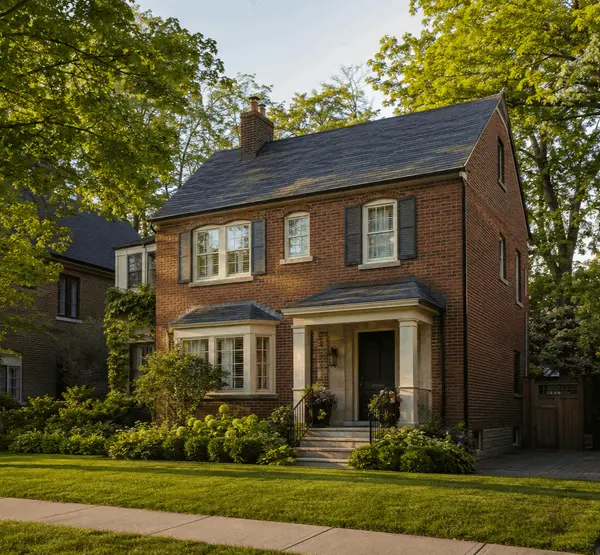
For downsizers who aren't ready to give up homeownership, a smaller freehold is the most direct transition. You move from a larger house to a smaller one, typically from a two-storey family home into a bungalow or compact two-bedroom in the same neighbourhood or a nearby one you've always liked.
The appeal is clear. You keep full control over the property. No condo corporation, no shared rules, no monthly fees tied to amenities you may never use. If you have a dog you love and a fenced yard that makes that easy, you're not giving either up. If there's a bungalow two streets over you've had your eye on for years, this is the option that makes that possible.
The practical upside is also significant. Going from four bedrooms to two means you're no longer maintaining, heating, or cleaning rooms that sit empty. Property tax, utilities, and upkeep all contract with the size of the home. And for people who still want an outdoor space they can actually use, a smaller lot is often a relief compared to a property that's become more of an obligation than an enjoyment.
The honest trade-off is that you're still the homeowner in the full sense. When the roof needs replacing, that's on you. When something breaks, you call the contractor. For people who have the capacity and willingness to handle that, it's not a problem. For people who are approaching a stage of life where they'd rather not, it can become one sooner than expected. It's worth being honest with yourself about which camp you're in.
Pros
- Full ownership and control over the property
- No condo fees or shared rules
- Fenced yards and pets permitted
- Stay in the same neighbourhood
- Lower maintenance than your current home, but on your terms
Cons
- Still fully responsible for repairs, roof, and maintenance
- No exterior help if you want to travel or step back
- Maintenance demands can increase as you age
- Good bungalows in established Toronto neighbourhoods are competitive to find
Option 2: Condo Townhome
The condo townhome is the option that most people don't consider seriously until they actually see one, and then they can't understand why they dismissed it. It sits squarely between full homeownership and high-rise condo living, and for many Toronto downsizers, it turns out to be the most practical fit.
The core appeal is the division of responsibility. The condo corporation handles snow clearing, lawn maintenance, and typically the exterior of the building. You're still living under your own roof, not sharing a floor with neighbours, often with a garage and driveway. It feels considerably more like a house than a condo, because structurally it is one.
One detail that surprises many people: bungalow-style condo townhomes exist across the GTA, particularly in communities built specifically for mature residents. If stairs are a concern, they're not a given. These communities are often built around a shared sense of lifestyle: people at a similar stage of life, similar priorities, similar pace. That social dimension is something many people didn't expect to value until they found it.
Fees are typically lower than those for a high-rise condo because there are fewer shared amenities to maintain. That said, fees do exist, and they tend to increase over time. And the most common issue people run into with condo townhomes is pet and fence restrictions. Some communities don't allow dogs over a certain weight. Some don't permit fenced yards at all. If that matters to you, it needs to be verified before you get emotionally attached to a specific property.
If you're not sure where to start, our Toronto Downsizing Guide walks through what to look for in a condo townhome community, including the due diligence questions that most buyers forget to ask until it's too late.
Pros
- Snow clearing and lawn maintenance handled by the condo corp
- Feels like a house — often includes garage and driveway
- Lower fees than high-rise condos
- Bungalow-style options available across the GTA
- Strong community feel in mature-focused complexes
Cons
- Monthly condo fees (and they increase over time)
- Pet and fence restrictions vary widely by complex
- Shared rules enforced by the condo corporation
- Contributing to amenities you may not use
Option 3: Condominium
A condominium is the simplest of the three lifestyles. You own your unit. Everything outside of it is managed. When you want to go on vacation, you lock the door. There's no wondering who will shovel the walk or whether someone is watching the property. You just go.
The amenities are a real benefit for the right person. If you've been driving to a gym you don't love, and the condo has a fitness centre and a pool, that's a meaningful quality-of-life shift. If underground parking matters to you, particularly through Toronto winters, it's a feature that's hard to overstate once you've experienced it. And for anyone with mobility concerns, the right building with proper accessibility can make a significant difference in how comfortable aging in place actually is.
The building selection matters enormously. Not every condo in Toronto is suitable for mature residents. Accessibility varies. Noise levels vary. Building communities vary. There are buildings across Midtown and throughout the city that attract a quieter, more established resident base. Finding them takes more research, but they exist in virtually every Toronto neighbourhood.
The cons are real and worth naming honestly. Condo fees are a fixed monthly expense that tends to increase over time. Rules set by the condo corporation govern everything from bicycles in the lobby to noise hours. If you're a light sleeper, a ground-floor unit or a building with poor sound insulation can be a genuine problem. If you've had a dog your whole adult life and the building doesn't permit dogs, that's not a small trade-off.
The people who thrive in condo living are typically those who want maximum simplicity and are genuinely ready to let go of the things that come with a house. For them, it's not a consolation prize. It's a deliberate choice that matches their life. For people who aren't ready for that shift, it tends to feel constraining in ways that are hard to anticipate from the outside.
Pros
- Lock the door and go — zero exterior responsibility
- Underground parking (significant in Toronto winters)
- Amenities you may not have had in your house
- Buildings specifically suited to mature residents
- Accessible options available for aging in place
Cons
- Monthly fees that increase over time
- Building rules and condo corporation oversight
- Noise considerations you don't face in a freehold
- Pet restrictions common in many buildings
- Not every building suits mature residents — selection matters
Simply put: the right home type is the one that fits how you want to live
If you want full control, pets, and a fenced yard — and you're comfortable managing maintenance — a smaller freehold is likely the right fit.
If you want the feel of a house without the exterior maintenance load, and you can live with shared rules and monthly fees, a condo townhome is worth serious consideration.
If you want the simplest possible lifestyle, maximum freedom to travel, and zero exterior obligations, a condominium is the logical destination.
None of these is universally better. Your answer is in how you actually plan to live — not what anyone else did.
If you're working through this decision and want to see all three in person before committing to a direction, that's exactly what we help with. We've done this with hundreds of Toronto families. The answer gets clearer faster when you're standing inside the options rather than weighing them in the abstract.
Related reading: The Toronto Downsizing Timeline (with Printable Checklist) and How to Calculate Your Net Proceeds from Downsizing.
Common Questions
What is the most common type of home Toronto downsizers move into?
Condominiums are the most common destination for Toronto downsizers, largely because the city's supply of well-located, lower-maintenance freehold bungalows is limited. That said, condo townhomes are increasingly popular, particularly among downsizers who want exterior maintenance handled without fully committing to high-rise living.
Are condo townhomes a good option for seniors downsizing in Toronto?
For many seniors, yes. The best condo townhome communities in the GTA are purpose-built with mature residents in mind: bungalow-style layouts with no interior stairs, snow and lawn care managed by the condo corporation, and a built-in community of like-minded neighbours. The key due diligence items are pet policies, accessibility features, and what the condo fees actually cover.
What are the monthly costs of downsizing into a condo in Toronto?
Monthly costs in a Toronto condo include your mortgage (if applicable), condo fees, property taxes, and utilities. Condo fees vary widely by building, typically ranging from $500 to $1,200 per month for a one- or two-bedroom unit, depending on the building's age, amenities, and management. The overall monthly carrying cost is almost always lower than maintaining a larger Toronto detached home.
Can I bring my dog if I downsize into a condo or condo townhome?
It depends entirely on the building or complex. Many Toronto condos allow pets, but they may have weight restrictions. Some condo townhome communities restrict certain breeds or sizes, and some do not allow fenced yards. This is one of the most important due diligence items to verify before making an offer on any condo or townhome community.
Is it better to downsize into a bungalow or a condo?
There's no single right answer. A bungalow is better for people who want full ownership, outdoor space, and the freedom that comes with a freehold property. A condo is better for people who want minimal maintenance, freedom to travel, and a simplified lifestyle. The decision comes down to how you actually plan to live, not which option looks better on paper.
How do I figure out which type of home is right for my downsizing move?
The most effective way is to physically visit all three types before committing to a direction. Most people start with strong opinions and change them after seeing specific properties. A good Toronto downsizing specialist will take you through all three options systematically based on your actual priorities, not assumptions about what you should want.
Not Sure Which Home Type Is Right for You?
That's exactly what a free consultation is for. We'll walk through your priorities, show you the right properties in each category, and help you make a confident decision before you commit.
Call 416-486-8282Or email jacquie@othengroup.com — free consultation, no obligation.
Categories
Recent Posts



GET MORE INFORMATION
