
Selling an Estate Home in Toronto: What Executors Need to Get Right Once It's Listed
Selling an Estate Home in Toronto: What Executors Need to Get Right Once It's Listed
Short answer: Once an estate home is listed, the executor is still responsible for it. The property must stay safe and presentable; it should be priced correctly from day one; someone must secure it after every showing and inspection; insurance must remain in place until closing; and a real estate-specializing lawyer should advise the estate throughout.
If you've been named executor and you've chosen a realtor, congratulations. That usually means things are about to start moving. This is Part 2 of our executor series. In Part 1, we talked about getting started and why many estates choose to sell as is. Here, we pick up where the home is ready to go to market.
What surprises many executors is that listing the house isn't the finish line. It's closer to the halfway mark. The home still needs to be cared for, shown, and protected until closing, and as executor, that responsibility falls to you.
Keep the Home Safe and Presentable From the Street
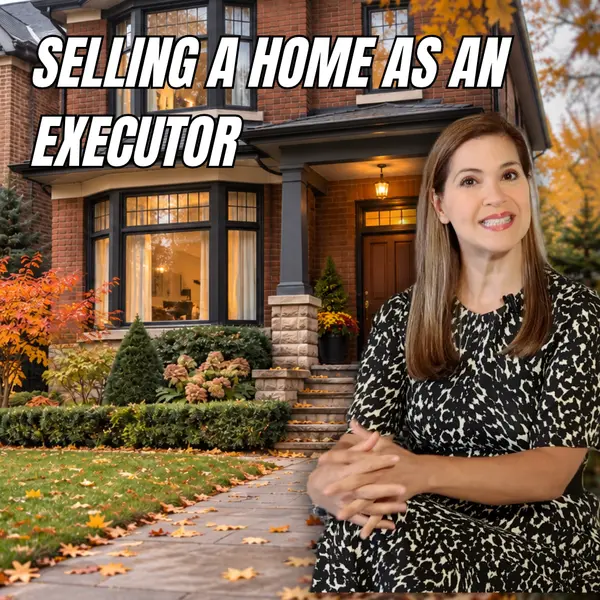
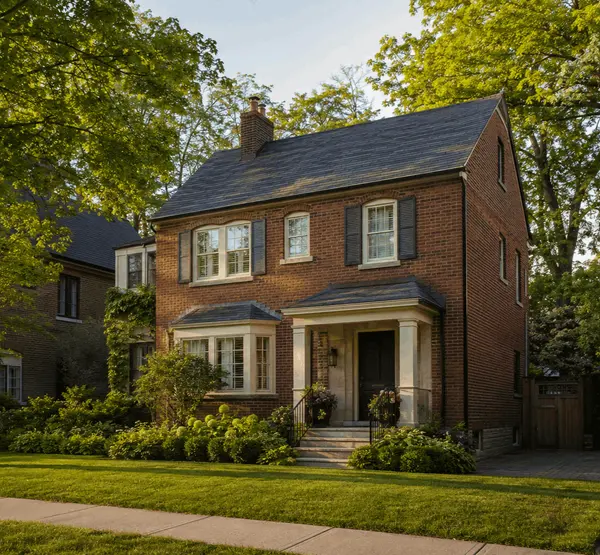
Curb appeal and safety are the executor's first priorities once an estate home is listed. Buyers form their first impression from the road, and the estate can be held liable if a visitor is hurt on the property.
The inside of the house may need a lot of work. Maybe the decor hasn't changed since the '60s or '70s. That's fine, and buyers looking at estate properties often expect it. But you still want the home to make a good impression the moment someone pulls up. A modest investment in lawn care and tidying the gardens is rarely a bad idea.
In winter, safety matters even more. Shovel and salt the walkway and front steps consistently for as long as the home is on the market. You're responsible for the estate, and if someone slips and falls on the property, the estate could face a claim. Safety comes first.
Selling As Is Doesn't Mean Leaving It As Is
Many estates choose to sell as-is so future liability doesn't follow the estate after the property sells. That's a sensible choice for many families, and it's worth confirming with your lawyer before listing. Selling as is simply means you aren't making repairs or guarantees about the home's condition. It doesn't mean you can leave the property unattended or unsafe while it's for sale. If you're still weighing your options, our estate sales page walks through how we approach these properties.
Price It Right From Day One
An estate home should be priced correctly from the start. Testing a high price usually leads to showings without offers, followed by a larger price reduction, while carrying costs continue to reduce the estate's equity.
This market is tricky, and it doesn't forgive overpriced homes. It's very common for executors to want to test a high price first. I understand the instinct. But here's what tends to happen: buyers walk through, they think about it, they don't bite. They walk through again. You've had plenty of showings and no offers.
When a price adjustment finally comes, it's rarely small. Buyers already assume an overpriced home has room to negotiate, so a small reduction is already baked into what they're willing to offer. To actually get things moving, the drop usually has to be meaningful.
Meanwhile, the bills keep coming. If there's a mortgage, it's still due. If it's a condo, the maintenance fees keep adding up. Property taxes still arrive. Every month the house sits, that money comes out of the estate's equity. We break down the real numbers in our post on what it costs to sell and move in Toronto.
The right price depends heavily on the street and the neighbourhood. A home in Leaside is priced very differently from one in Don Mills, and the same goes for Lawrence Park and Yonge and Eglinton. Work with a realtor who knows the area, knows how to price a home, and has a track record of selling quickly. If you want a starting point before that conversation, you can request a free home value estimate.
Price, Presentation and Marketing Work Together
Pricing alone isn't enough. The home also has to look its best, inside and out, and be marketed to the right buyers. In some ways, selling a home is a little like an auction. Online photos need to show the home in its best light so people book a showing, walk through,, and fall in love with it enough to make an offer.
Whether you decide to stage or not, presentation matters. On our team, staging, professional photography and marketing are part of the service, which you can read more about on our why list with us page. Marketing also has to line up with the price. If a home is marketed in the wrong price range, it reaches the wrong buyers.
When price, presentation, and marketing all come together, homes sell. When one is missing, the whole thing tends to fall apart. The last thing you need, on top of every other duty as executor, is to find yourself two months in with no sale, sitting down with your realtor to talk about a price reduction.
Make Sure Someone Locks Up After Every Showing
An executor should arrange for a trusted person, such as the listing agent, a caretaker, or a house sitter, to check the home after showings and inspections and confirm it is locked, safe, and tidy.
Once you're on the market, you'll likely have a steady stream of showings. You need a clear plan for who checks on the property. Maybe you live in Quebec and can't drive over to your late mother's house to make sure the door is locked. Someone has to take on that responsibility, whether it's your realtor, a caretaker, or a house sitter.
This matters most after a home inspection. I've walked into homes where a burner was left on, or the air conditioning was turned down so low the house felt like a refrigerator. At the end of every day with showings, someone should walk through, check that the back and side doors are locked, make sure the bathrooms were left respectfully, and confirm the house is secure.
A friendly neighbour who knew your parent might be willing to help if you ask nicely. That can work, but for insurance reasons and many others, make sure the arrangement is clear and reliable. This is the estate's most important asset. If you're managing everything from out of town, our seniors and family services are built around exactly this kind of support.
Get Insurance in Place From Day One
Executors should insure estate property immediately and keep it in force through the closing date. An uninsured home that is damaged or causes damage to neighbouring properties can leave the estate facing major liability.
When I meet with executors about listing a property, my first question is whether insurance is in effect. You'd be surprised how often the answer is no. Sometimes a parent, brother, or sister simply didn't insure the home.
You need to put insurance on that property right away. If the house burned down, or worse, took neighbouring homes with it, the estate could face major liability, with you responsible for managing it. Keep the policy in place right through to the closing date, and let your insurer know the home is vacant, since coverage for an empty house can work differently.
Choose a Lawyer Who Truly Specializes in Real Estate
An executor should hire a lawyer who specializes in real estate, get their advice before listing, and keep them involved through closing, especially in case a buyer delays or fails to close.
As in any profession, some lawyers are excellent, and others are less so. You want a really strong real estate lawyer advising the estate before you list, because they may want specific clauses in the offer to protect the estate. The as-is, where-is clause we discussed in Part 1 is one example.
You also want them there throughout and at the end. We all hope every sale closes without a hitch, and most do. But sometimes a buyer delays closing, or can't close at all. For most executors, that's the nightmare scenario. It doesn't happen often, but it does, so ask your realtor and lawyer up front what your options are if the deal doesn't close.
Don't cut corners here. Avoid a lawyer who dabbles in real estate alongside criminal or corporate work. I recently dealt with that situation, and it was no fun. Changing lawyers partway through a transaction isn't a good idea either. If you hit a bump in the road, you need someone skilled who can step in and advocate for the estate on your behalf.
If you're also thinking about your own next move once the estate is settled, our guides on downsizing in Toronto and how long downsizing realistically takes are a good place to start.
Frequently Asked Questions
What should an executor do once an estate home is listed for sale?
Keep the property safe and presentable, price it correctly from the start, ensure someone secures the house after every showing and inspection, keep insurance in place until closing, and stay in close contact with a real estate-specialist lawyer. Listing the home is the midpoint of the process, not the end of the executor's responsibilities.
Is the estate liable if someone slips on the property while it's for sale?
It can be. As executor, you're responsible for the estate's assets, including keeping the property reasonably safe for visitors. In a Toronto winter, that means keeping walkways and steps shoveled and salted. If you have questions about the estate's exposure, ask your estate lawyer and your insurer.
Should an executor list an estate home high to leave room to negotiate?
Usually not. Buyers already assume an overpriced home has room to negotiate, so a small reduction later rarely changes anything. A home that sits without offers tends to need a larger price adjustment, and while it waits, the mortgage, property taxes, and maintenance fees keep wearing down the estate's equity.
Who should check on an estate home after showings?
Someone the executor trusts and has arranged in advance, such as the listing agent, a caretaker, or a house sitter. That person confirms every door is locked, the stove and appliances are off, the thermostat is set properly, and the home is tidy, especially after a home inspection.
Does an empty estate home need insurance while it's on the market?
Yes. Insurance should be in place from the moment you become executor and remain in force through the closing date. Let the insurer know the home is vacant, since coverage for an empty house can work differently than coverage for an occupied one.
What kind of lawyer should an executor use to sell an estate property?
A lawyer who truly specializes in real estate, not one who handles it on the side of another practice area. Get their advice before you list, since they may want specific clauses in the offer to protect the estate, and make sure they're prepared to advocate for the estate if a buyer delays or fails to close.
Not Sure Where to Start?
Being an executor is stressful enough. If you have estate property to sell and aren't sure what comes next, we're happy to offer advice or set up a consultation.
Call or text Jacquie directly: 647-383-7653
Office: 416-486-8282
Categories
Recent Posts


GET MORE INFORMATION
