
Every Home Has A Price Ceiling: What Toronto Homeowners Need To Know Before Renovating
Every Home Has A Price Ceiling: What Toronto Homeowners Need to Know Before Renovating
Every Home Has a Price Ceiling: What Toronto Homeowners Need to Know Before Renovating
Every Toronto home has a price ceiling, and it has nothing to do with the one above your head. A price ceiling is the maximum value a home can realistically achieve in its neighbourhood, regardless of how much money has been poured into upgrades. Before you commit $50,000 or $100,000 or more to a renovation, understanding that ceiling is the difference between a smart investment and money you will never see again.
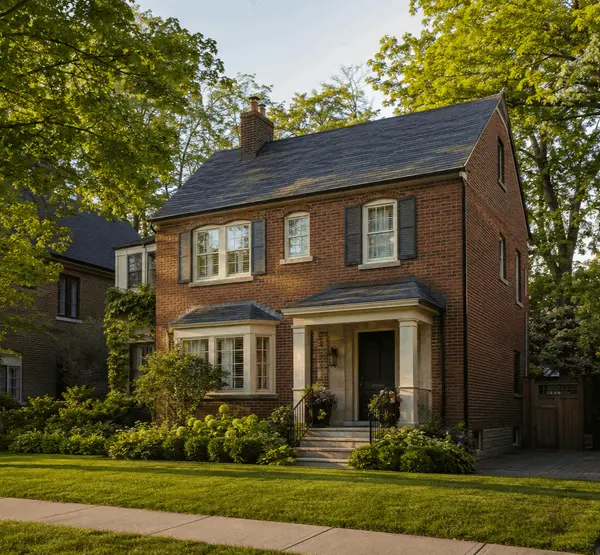
This applies to most homes in the city. I am not talking about Post Road, Rosedale, or Yorkville, where values can swing by a million dollars between houses on the same street because of sheer lot size and prestige. I am talking about the vast majority of Toronto properties, from under a million dollars up to three, four, or five million in established neighbourhoods where most of the homes look roughly the same. In those areas, the ceiling is real, and it does not care how much your kitchen cost.
Get an honest valuation before you touch anything
The very first thing you should do before contemplating any renovation is get a gut check from a professional realtor. Not a general online estimate. A professional who knows your specific neighbourhood and can tell you what your home is worth right now without any work done to it, and what it could be worth with the renovations you are considering. That gap between those two numbers is everything. It tells you how much room you have to spend and still come out ahead, and it keeps you from blowing past the ceiling before you even pick a countertop.
Not every renovation gives you a full return. Some give you a strong return. Some give you a fraction. And some give you nothing at all. A swimming pool is the classic example. You might spend $120,000 putting it in, and when it comes time to sell, buyers may not assign any additional value to it. Pools, gazebos, and anything heavily personalized on the exterior of the property are the renovations that Toronto homeowners most commonly overestimate in terms of payback. Kitchens and bathrooms, on the other hand, are where the real returns live. Flooring and lighting changes round out the list. If the purpose of your renovation is to sell, those are the categories to prioritize.
Set a real budget and do not let it drift
I know nobody loves the money talk, but a renovation without a clear budget is a renovation that goes sideways. If you do not know exactly how much cash you have on hand, you are not going to be able to get through a major project without surprises, cost overruns, or worse, running out of money halfway through the kitchen. You already have your valuation from step one, so now the question is straightforward. If you are putting $100,000 into this house, is it going to grow $150,000 or $200,000 in value? Or are you going to spend $100,000 and get $60,000 back? The answer to that question dictates everything about your scope.
If you are working with $50,000, you have tough choices to make. Maybe you can only do the kitchen. Maybe you do part of the flooring plus the kitchen. But everything comes down to a hard line, and that line needs to be set before you start calling contractors.
Get multiple quotes and talk to people who have done the work
This is where I see Toronto homeowners lose the most money, and it happens all the time. Someone talks to one kitchen cabinet maker, gets a quote, hands over a deposit, and the work starts. Then they tell me what they paid, and I am shocked. I hear about $45,000, $55,000, even $75,000 kitchens that I know could have been done beautifully for $20,000 or $25,000.
You need to get multiple quotes. Three at minimum. But just as important, you need to talk to friends or family members who have recently done similar work and ask them what they actually paid. Not what someone charged 10 years ago, and not what an ultra high end renovation cost in a luxury home. Talk to people with similar houses and similar tastes to get a real sense of what the market rate is for the work you want done. A professional realtor who supports clients through renovations and staging will also have a solid baseline of what things should cost. If your realtor does not know, ask one who does.
Timing matters more than most people think
When I bring up timing, people often say they have all the time in the world. But think about this: do you want your renovation happening over the holidays when you are trying to host guests? Do you want to be without a kitchen at Thanksgiving? A major renovation is a major disruption to your daily life, your family, your pets, everything. Planning the timing around a vacation or a slow period in your household can make the entire experience more manageable.
The other side of timing is the market. If you got a valuation in January and you are not planning to sell until September, that number may not hold up. We have seen significant peaks and valleys in the Toronto market over the past five years. If you are renovating to sell, you want your quotes, your valuation, and your construction window to line up tightly. Getting everything organized and then getting cracking protects you from market shifts eating into your return.
Even if you are not planning to sell, I would caution you to keep timing in mind. I cannot tell you how many people I have met who thought they were never leaving their beautifully renovated home, and then life threw them a curveball. A job transfer. Losing a spouse. A child moving across the country and wanting to follow. Things pop up that nobody plans for, and all of a sudden the $200,000 renovation you did for yourself needs to appeal to a buyer.
Keep it neutral if there is any chance you might sell
If you are renovating with even a possibility of selling down the road, do not go niche on your finishes. You can have a gorgeous kitchen with a countertop that costs $5,000 to $10,000 and looks absolutely stunning. But when I meet clients who put in a $15,000 countertop plus a $25,000 waterfall edge, that is money they are very unlikely to see back. The buyer walking through your home is not going to pay a premium for your specific taste in stone.
I have had clients put in beautiful terracotta floors imported from overseas. They looked incredible and gave the home a warm, eclectic feel. But most Toronto buyers do not want terracotta floors, and the tile did not suit the style of home it was in. Same thing with bold colour choices. I had a client with stunning lime green countertops in a condo. I thought they were exquisite. My senior client loved them. But would they suit the next buyer? Probably not. It is like buying a pink Cadillac: some people think it is cool, but most people are going to cringe when they see it.
The smarter approach is to keep your permanent finishes neutral and personalize with things that are easy to swap out. Furnishings, drapery, lighting, paint colours. These let you express your style without baking it into the bones of the house. Highly personalized permanent finishes do not just fail to add value. They actively hurt your valuation because they shrink your buyer pool to maybe one out of 10 or one out of 20 people who happen to share your exact taste. The other nine are not going to give you top dollar.
Sometimes the best return comes from the smallest updates
Not every pre-sale improvement is a $50,000 kitchen renovation. Some of the smartest money you can spend before listing is on minor repairs and cosmetic updates that cost a fraction of a major remodel but change the way buyers feel when they walk through your home. A fresh coat of neutral paint throughout the main living areas, updated light fixtures, new cabinet hardware in the kitchen, and cleaned or refinished flooring can shift the entire impression of a property for a few thousand dollars.
Curb appeal falls into this category too. Pressure washing the driveway, tidying up the landscaping, painting the front door, and replacing worn-out house numbers are the kinds of things that cost almost nothing but affect a buyer's first impression before they even step inside. You do not need a $20,000 landscaping overhaul to make the exterior look sharp. You need it to look clean, maintained, and welcoming.
As for appliances, the question I get all the time is whether it is worth replacing them before selling. If your appliances are functional and reasonably modern, the answer is usually no. Buyers notice outdated or mismatched appliances, but they are rarely the reason someone passes on a home. If one unit is broken or visibly damaged, replace that specific piece. But swapping out a working stainless steel fridge for a newer model is not going to move the needle on your sale price the way a painted room or updated lighting will.
The bottom line on renovations and your home's price ceiling
Every neighbourhood has a ceiling, and your renovation budget needs to respect it. Get a professional valuation before you start. Set a firm budget. Get multiple quotes and talk to people who have done the work. Time everything carefully, whether for your own comfort or for market conditions. And keep your finishes neutral enough that the broadest possible pool of buyers will see value in what you have done.
Simply put: renovate smart, stay under the ceiling, and do not let personal taste override common sense when real money is on the line.
Common questions about home renovations and price ceilings
What is a price ceiling in real estate?
A price ceiling is the maximum price a home can realistically sell for in a given neighbourhood, regardless of how much money has been spent on upgrades. Most Toronto neighbourhoods have a fairly predictable top-end value, and renovations that push your total investment above that ceiling will not deliver a full return. Understanding this number before you renovate is the single most important step in protecting your investment.
Which home renovations give the best return on investment?
Kitchens and bathrooms consistently deliver the highest return on investment for Toronto homeowners. Flooring and lighting updates also perform well. Exterior projects like swimming pools, gazebos, and heavily personalized landscaping rarely return their full cost at resale. The key is to focus your budget on the categories that buyers actually assign value to when they walk through your home.
Should I get a home appraisal before renovating?
Before starting any renovation, ask a professional realtor for an opinion of value on your home today and an estimate of what it could be worth after the work is done. This gives you a realistic range to budget against and helps you avoid spending more than you can recapture at sale. A formal appraisal is useful for financing purposes, but a candid opinion from a realtor who knows your neighbourhood is often more practically valuable.
How many renovation quotes should I get before starting?
You should get at least three quotes for any major renovation. You should also talk to friends or family who have done similar work recently and ask a realtor who supports clients through renovations for a ballpark of what the work should cost. Skipping this step is one of the most common and expensive mistakes Toronto homeowners make, and I have seen people overpay by $20,000 to $50,000 on kitchens alone because they went with the first quote they received.
Does a swimming pool increase home value in Toronto?
In most cases, no. A swimming pool can cost $120,000 or more to install, and Toronto buyers rarely assign full value to it. Pools, gazebos, and heavily personalized exterior features are among the renovations least likely to deliver a return at resale. If you are building a pool purely for your own enjoyment and plan to stay in the home for many years, that is a different calculation. But if resale value is part of your thinking, a pool is not a sound investment.
Why does renovation timing matter if I plan to sell?
The Toronto real estate market has experienced significant peaks and valleys over the past five years. A home value estimate from January may not hold up in September. If you are renovating to sell, getting your quotes, your valuation, and your work done within a tight window protects you from market shifts eroding your return. The longer the gap between your valuation and your sale, the more risk you carry.
Should I choose trendy or neutral finishes for resale?
Neutral finishes are almost always the smarter choice if there is any chance you will sell. Highly personalized materials like imported terracotta floors, bold coloured countertops, or ultra-dark finishes may look great to you but will not appeal to most buyers. Personalize your home with furnishings, drapery, and lighting that can be swapped out easily instead of permanent fixtures that limit your buyer pool. The goal is to attract nine out of 10 buyers, not just the one who happens to share your taste.
What minor repairs add the most value before listing a home?
Fresh neutral paint, updated light fixtures, new cabinet hardware, and cleaned or refinished flooring are among the most cost-effective pre-sale improvements. These updates cost a fraction of a major renovation but change the way buyers feel when they walk through the home. Curb appeal matters too: a pressure-washed driveway, tidy landscaping, a painted front door, and new house numbers create a strong first impression before a buyer even steps inside.
Is it worth updating appliances before selling a house?
If your appliances are functional and reasonably current, replacing them before selling is usually not necessary. Buyers notice appliances that are visibly outdated, broken, or mismatched, but working stainless steel units in decent condition are rarely a dealbreaker. If one appliance is damaged or non-functional, replace that specific piece. But spending thousands swapping out working appliances will not move the needle on your sale price the way a fresh coat of paint or updated lighting will.
Ready to find out what your home is actually worth?
If you are thinking about renovating, whether to sell or to stay, the first step is understanding your home's current value and the ceiling for your neighbourhood. That conversation is free, takes about 15 minutes, and gives you a real number to plan against instead of guessing.
Start with a free home valuation or call us at 416-486-8282. You can also reach us at [email protected]. If you are planning to sell after ren
Categories
Recent Posts







GET MORE INFORMATION
